
Selling a home involves sharing its history as well as showing its best features. For homeowners in Santa Cruz and Monterey Counties, preparing disclosures early gives you time to organize records and address questions before they become a last-minute scramble.
California home sellers generally must disclose known material facts that could affect a property’s value or desirability. Common paperwork includes the Transfer Disclosure Statement, additional seller questionnaires, natural hazard disclosures, and lead-based paint disclosures for most homes built before 1978. The documents required depend on the property and transaction.
What Are Seller Disclosures?
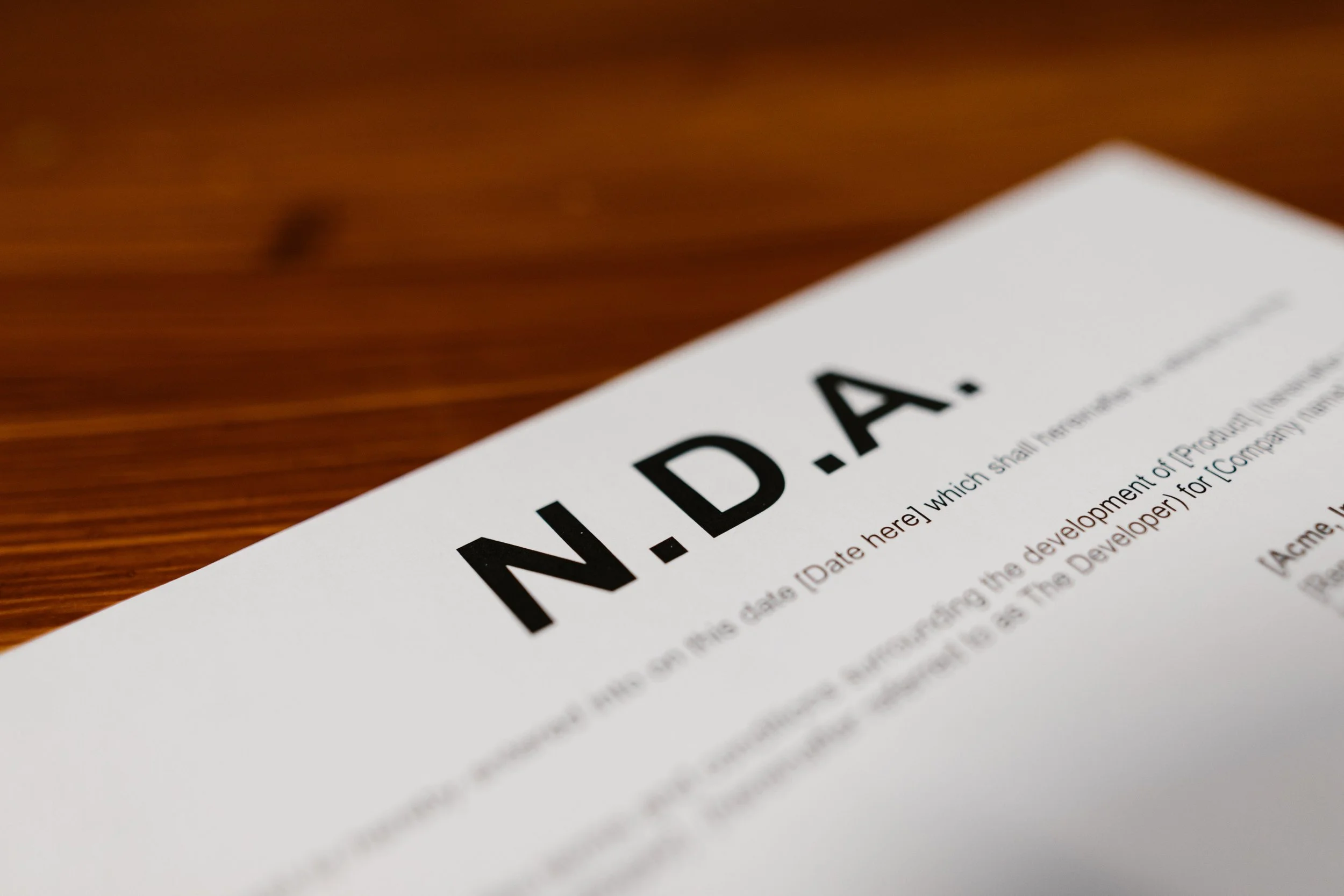
Seller disclosures communicate information about a home’s condition, history, and other matters that may affect a buyer’s decision. They help buyers understand what you know about the property alongside their own inspections and research.
The California Department of Real Estate’s disclosure guide explains major disclosure requirements. Completing a form does not replace the need to share other known material information.
Which Disclosure Documents Might You Need?
Your disclosure package may include:
Transfer Disclosure Statement (TDS): Generally required for sales of residential properties with one to four units, subject to exemptions. It addresses property features, conditions, and known issues.
Seller Property Questionnaire (SPQ): Commonly used to gather additional information about ownership history, repairs, and other property matters. It supplements the disclosure process; it is not the statutory TDS.
Natural hazard disclosures: Address specified mapped hazards, such as flood, fire, and earthquake-related zones, when applicable.
Lead-based paint disclosures: Federal requirements apply to most housing built before 1978. These include sharing known lead information and available reports, providing the required pamphlet, and addressing the buyer’s inspection opportunity.
Other applicable documents: HOA records, local disclosures, and property-specific notices may also be needed.
See the EPA’s lead-based paint disclosure requirements for the federal rules. This list is a starting point, not a complete disclosure checklist for every sale.
What Property Issues Should Sellers Discuss?
Bring known concerns and relevant records to your agent’s attention, including:
Past roof leaks, water intrusion, drainage problems, or flooding.
Foundation movement, structural repairs, or pest damage.
Additions or remodeling with missing or uncertain permit records.
Boundary questions, shared driveways, easements, or neighbor disputes.
Problems involving a well, septic system, or other property equipment.
For example, if a roof leaked and was repaired, explain the history and provide available documentation. Avoid guessing that an issue is permanently resolved if you do not have information supporting that conclusion.
What Matters for Santa Cruz and Monterey County Homes?
The right questions depend on the individual property. A hillside home may raise questions about slope or drainage history, while a rural property may require a closer look at well, septic, or access records.
For a coastal home, gather records of known moisture problems and repairs. For a condominium, begin organizing association documents early. A city name or neighborhood alone does not establish a property’s hazard designation, permit status, or disclosure requirements.
Our home-selling process provides a broader look at preparing for a sale with Loredo Group Realty.
Does Selling “As Is” Remove Disclosure Responsibilities?
No. An “as-is” sale does not eliminate the responsibility to disclose known material facts. Selling in the home’s current condition and providing accurate information about that condition are separate parts of the transaction.
Discuss the wording and implications of an as-is sale with your agent. For legal questions or uncertainty about a particular disclosure, consult a California real estate attorney.
How Can You Prepare Before Listing?
Gather records. Collect inspection reports, repair invoices, warranties, permits, and relevant correspondence.
Write a property timeline. Note significant problems, repairs, and improvements during your ownership.
Answer carefully. Describe what you know and identify uncertainty instead of guessing.
Review questions early. Give yourself time to locate documents or seek professional advice.
Report new information promptly. Tell your agent if a new issue appears or an earlier answer needs correction.
Frequently Asked Questions About Seller Disclosures
-
Disclose known material leak history and explain the repair rather than assuming the repair makes the history irrelevant. Gather invoices and reports, and review the specific facts with your agent or attorney; the California disclosure guide explains the broader duties.
-
Not living in the home does not automatically remove disclosure responsibilities. Explain the limits of your knowledge, share relevant information you have, and have your agent or attorney confirm applicable forms and exemptions using the California Department of Real Estate’s disclosure guidance.
-
Start gathering information before listing so you have time to complete the documents carefully. Delivery deadlines vary by disclosure and transaction, so review timing as part of your selling plan.
-
No. Disclosures communicate information about the property, while an inspection evaluates its condition within the inspector’s scope; the California Department of Real Estate guide explains the role of the TDS.
-
Loredo Group Realty helps Santa Cruz and Monterey County sellers organize the selling process, including gathering records and reviewing disclosure questions. Contact our team to discuss your property and preparation timeline.
This article provides general information, not legal advice. Disclosure requirements and exemptions vary by property and transaction; confirm current requirements with your agent and a qualified California real estate attorney when needed.